SEO for Travel Agents/Agency:
Unlock Your Agency's Online Potential
The travel industry hums with excitement, but competition is fierce. How can your travel agency stand out and reel in more clients from this bustling digital scene? The secret lies in mastering Search Engine Optimization, or SEO.
Think of SEO as your agency's compass, guiding potential travellers straight to your website on search engines like Google. It’s all about boosting your organic visibility, which means you attract qualified leads without paying for every click. This article offers a clear map to help travel agents put effective SEO strategies into action
Imagine more people finding your amazing travel deals, higher conversion rates on your site, and, best of all, a flood of new bookings. That’s the real power of good SEO for your travel business.
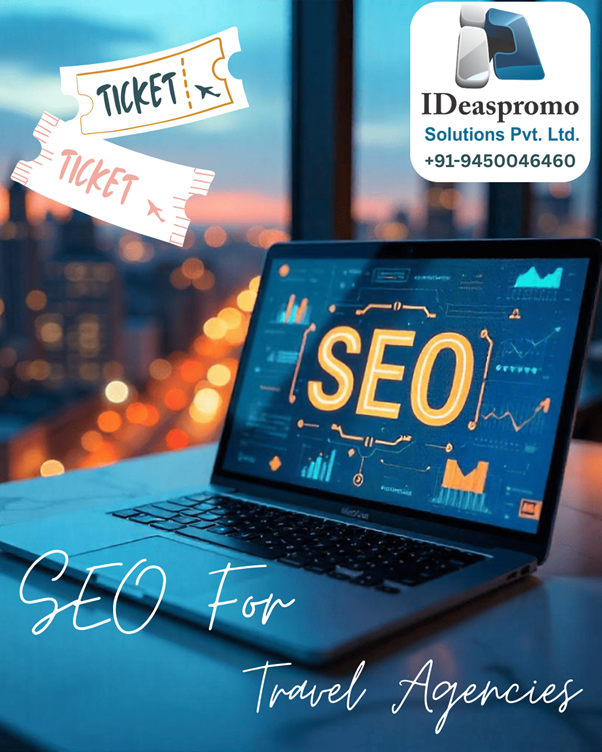
1. Fundamentals of Travel Agents SEO in Gorakhpur
What is SEO and Why It Matters for Travel Agencies in Gorakhpur.
SEO simply means making your website easier for search engines to find and rank higher. When people search for trips, they use Google. They type in things like "honeymoon packages" or "best family resorts." If your agency's website shows up early in these results, more people will click on it. Most travellers now start their trip planning online. They’re looking for ideas and advice before they even think about booking. SEO helps you meet them right at the start of their journey. It’s a big shift from older ways of finding clients.
The Traveller’s Search Journey: Keywords and Intent
People use different keywords depending on what they want. Some search for "all-inclusive resorts Mexico" because they know what they want. Others might look for "luxury cruises Alaska" or "family holidays Italy" for specific types of trips. These are target keywords for your agency. We also think about search intent. Someone looking for "what to do in Rome" has informational intent. They want facts. Someone searching "flights to Rome from New York" has transactional intent. They want to buy something. You need content that matches each type of search intent.
Measuring Success: Key SEO Metrics
How do you know if your SEO efforts are working? You check some important numbers. Organic traffic tells you how many people found your site through search engines. Keyword rankings show where your site appears for important search terms. Conversion rates measure how many of those visitors actually book a trip or contact you. Bounce rate tells you how many people leave your site right away. Time on page shows how long they stay. Keeping an eye on these helps you track your progress.
2. On-Page SEO: Optimizing Your Website's Content
Keyword Research and Integration
Finding the right words is key. Start by thinking like your customers. What do they type into Google when planning a trip? Tools like Google Keyword Planner, SEMrush, or Ahrefs can help you discover popular phrases. Look for long-tail keywords too, like "best budget safaris in Kenya." Then, weave these words naturally into your website content. Use them in your page titles, meta descriptions, and headings. Don't stuff them in; make sure everything reads smoothly.
Crafting Compelling Meta Titles and Descriptions
Your meta title is the blue link in search results. Your meta description is the short summary below it. These snippets are like tiny ads for your page. Make them catchy and include your main keyword. A good title might be "Mexico All-Inclusive Resorts | [Your Agency Name]." Your description should entice people to click. Tell them what value they'll find on your page. Make them want to learn more.
High-Quality Content Creation for Travellers
Travellers look for helpful information. This means you need to create valuable content. Think about destination guides for popular spots. Offer travel tips on packing or staying safe. Share inspiring itinerary ideas. Even client testimonials and success stories can draw people in. For instance, a travel agency focused on Europe might write detailed blog posts. They could cover "Best time to visit Paris" or "Must-see attractions in Rome." Such content answers real questions.
Optimizing Images and Videos
Visuals matter a lot in travel. When you add photos or videos to your site, give them clear, descriptive file names. Instead of "IMG_001.jpg," use "eiffel-tower-paris-tour.jpg." Also, write "alt text" for every image. This text describes the image for people who can't see it and for search engines. For videos, add relevant titles and descriptions. This helps your travel videos show up in search results.
3. Off-Page SEO: Building Authority and Trust
Local SEO for Travel Agencies
Many people search for "travel agent near me." This is local SEO. To win these searches, make sure your Google Business Profile is complete and accurate. List your business name, address, and phone number (NAP) consistently everywhere online. This means on your website, social media, and other online directories. Ask happy clients for online reviews. These help your agency appear in local search packs.
The Power of Backlinks in the Travel Industry
Backlinks are links from other websites to yours. Think of them as votes of confidence. When reputable travel blogs, tourism boards, or industry partners link to your site, search engines see you as more trustworthy. These authoritative links tell search engines that your site has good information. Aim for quality links, not just quantity. Sharing valuable content can often earn these links naturally.
Leveraging Online Reviews and Testimonials
Online reviews on Google, Yelp, or TripAdvisor build trust with new clients. They also help your SEO. Search engines consider reviews when ranking local businesses. Encourage satisfied travellers to leave reviews after their trip. Make it easy for them. Respond to all reviews, both good and bad, in a professional way. Active review management shows you care about your clients.
4. Technical SEO for a Seamless User Experience
Website Speed and Mobile-Friendliness
Nobody likes a slow website. If your site takes too long to load, visitors will leave. Search engines also dislike slow sites and rank them lower. Google now focuses on mobile-first indexing. This means your website must look and work great on phones. Make sure your site loads fast on all devices. Compress images and use a good hosting provider to help with this.
Website Structure and Navigation
Your website should be easy for people and search engines to understand. Use a clear, logical structure. Group related pages together. For example, all your European tour pages should be easy to find under a "Europe" section. Good internal linking helps too. Link from one page on your site to another relevant page. This guides users and search engine crawlers.
Understanding Schema Markup for Travel
Schema markup is like a special code you add to your website. It tells search engines exactly what your content is about. For a travel agency, schema can highlight your tours, flights, or hotel deals. This can lead to rich snippets in search results. These rich snippets display extra information, like star ratings or prices. They make your listing stand out and often lead to more clicks.
5. Content Strategy and Promotion for Travel Agents
Creating Destination-Specific Content
Go deep with your content. Don't just list destinations; create detailed guides for them. Think about "Best Family Beaches in the Caribbean" or a guide to "Honeymoon Packages in Bora Bora." Tailor content to specific types of travel, like adventure trips or budget getaways. This shows your expertise. It also helps you rank for very specific, high-intent searches.
Leveraging Social Media for SEO
Social media can indirectly boost your SEO. When you share your website content on platforms like Facebook, Instagram, or Pinterest, it can drive traffic back to your site. More visitors tell search engines your content is popular. It also increases your brand's visibility. Make sure your social posts link directly to your helpful blog posts or tour pages.
Email Marketing and Content Distribution
Don't let your great content sit idle. Use email marketing to share your latest blog posts, destination guides, or special travel offers. Send newsletters to past clients. This keeps your brand top-of-mind. It also encourages people to click back to your website, increasing traffic and potential bookings.
6. Staying Ahead: Advanced SEO Tactics and Trends
Voice Search Optimization for Travel Planning
More and more people use voice assistants to search. They might ask, "Hey Google, find me a travel agent for a trip to Italy." Voice searches are more conversational. Think about how people speak naturally when planning trips. Create content that answers these questions directly. Use full sentences and common phrases people would say out loud.
E-A-T (Expertise, Authoritativeness, Trustworthiness) in Travel Content
Google values E-A-T, which stands for Expertise, Authoritativeness, and Trustworthiness. This is super important for topics that impact people's lives or money, like travel planning. Show off your agency's deep knowledge. Write detailed, accurate content. Feature your agents' bios, highlighting their experience and certifications. Build trust by offering transparent information and excellent service.
Keeping Up with Algorithm Updates
Search engine algorithms change often. What works today might shift tomorrow. Stay informed about major Google updates. Follow reputable SEO news sources. Being aware helps you adapt your strategies. It ensures your agency stays visible and keeps attracting new clients.
FAQ: SEO Services for Travel Agencies
IDeaspromotion Travel Agencies SEO services are specialized digital marketing strategies designed to improve a Agency's visibility in search engine results. These services include keyword optimization, content creation, and technical website improvement.
While there are many SEO agencies in Gorakhpur,IDeaspromotion.com Digital Marketing Agency stands out for its specialized focus on the hospitality industry and proven track record of success with hotels of all sizes.
The cost of Travel Agencies SEO services can vary widely depending on the scope of work, the size of your Travel Agencies, and your specific goals. Many agencies offer customized packages to fit different budgets, from basic services to comprehensive strategies
When selecting a Travel Agencies SEO in Gorakhpur, consider factors such as their experience in the hospitality industry, case studies or testimonials from other Travel Agencies, the range of services offered, their approach to reporting and communication, and their pricing structure
Yes, IDeaspromotion.com SEO Digital Marketing Agency offers ongoing SEO maintenance and updates as part of our comprehensive Travel Agencies SEO services. We continuously monitor your website’s performance, adjust your SEO strategy, and keep your content fresh and relevant to ensure long-term success in search engine rankings.
Conclusion
Mastering SEO is no longer an option; it's a must for travel agents aiming to thrive. By focusing on smart keyword choices, creating engaging content, and building online trust, your agency can truly shine. Start by optimizing your Google Business Profile and asking for client reviews. Make sure your website is fast and works well on phones. Keep learning and tweaking your approach. The online travel space always changes, and your agency can lead the way with a strong SEO plan.
Latest Articles
All Types of Facebook Ads Campaign Objectives Explained
A Comprehensive Guide To Performance Max Campaigns
SEO Vs. PPC Advertising: Which Is Better For Your Business
How to Do Local SEO for Hotel Websites to Rank High
Management System Vs Website Builder: Difference, Benefits & What To Choose To Build Website
Instagram Promotion: How To Get More Followers on Instagram ?
How Much Does Shopify Website Development Cost